
Pest control services · Southall
Bed Bug Heat Treatment Southall
A heat enquiry needs more than a room count. The assessment must consider bed bug evidence, the contents of the space, equipment access, heat-sensitive materials and how temperatures can be monitored in sheltered locations. Confirm the proposed method and preparation before assuming a room is suitable for heat treatment.
- Room contents assessed for heat-treatment suitability.
- Cold spots and sheltered furniture joints considered.
- Sensitive belongings identified before equipment is brought in.
- Monitoring locations and practical equipment access discussed.
- Post-treatment evidence reviewed alongside the treatment record.
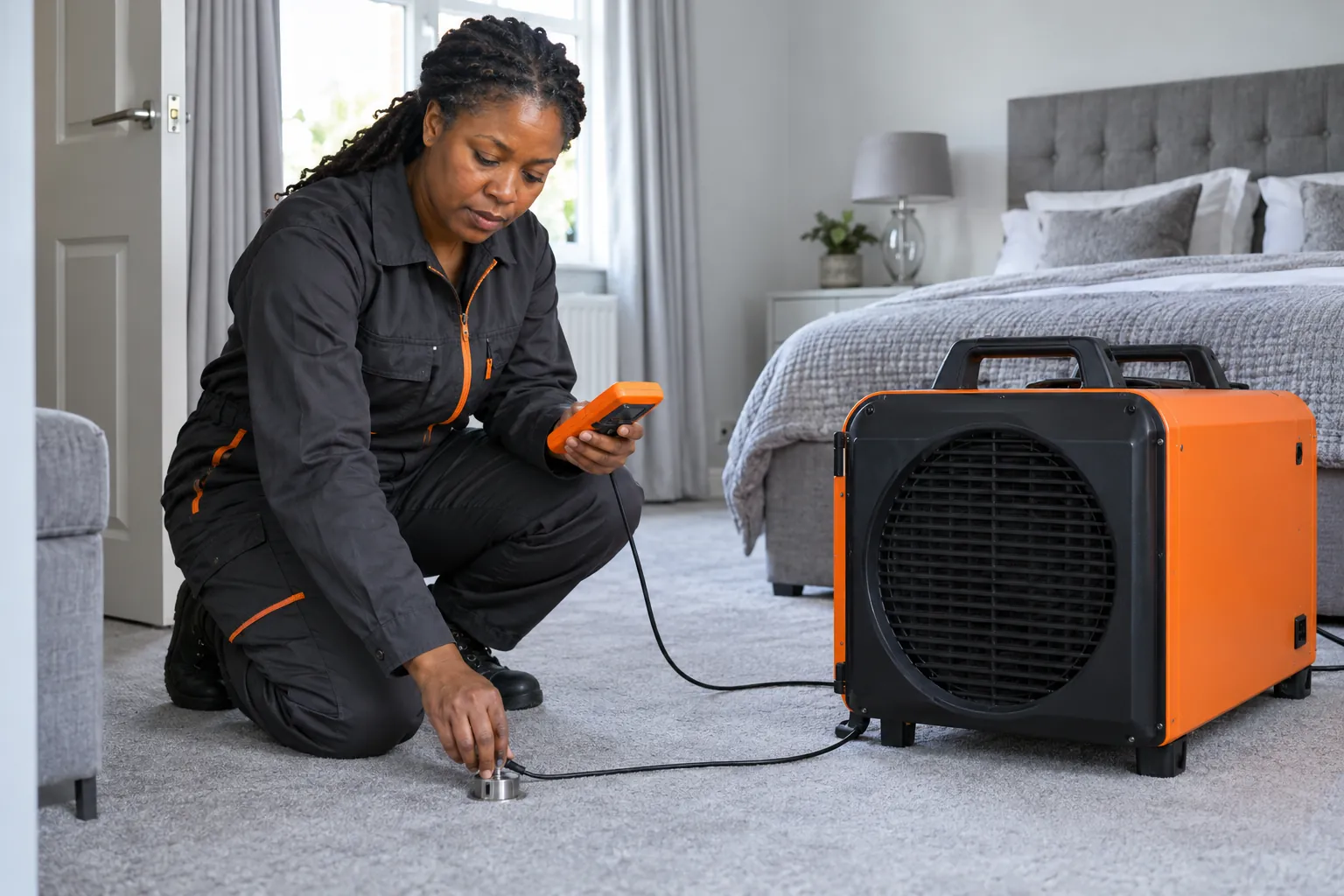
Confirm the problem before specifying heat
A clear insect identification and a room-by-room account of evidence are needed before choosing a heat approach. Describe the bed, furniture and locations where insects or cast skins have been found. Explain previous visits and any belongings moved since the problem was noticed. Heat is not selected solely because a person reports bites or because a room has been difficult to sleep in.
The assessment needs to establish whether the proposed work concerns a whole room, specified contents or another defined arrangement. Those approaches have different practical requirements and should not be described interchangeably. The general bed bug treatment service explains the underlying inspection of beds and adjacent furniture. A heat quotation should identify what additional assessment and preparation it involves, rather than presenting equipment as a substitute for understanding the spread of evidence.
| Assessment item | What needs to be established | Why the answer matters |
|---|---|---|
| Dense furniture or stored contents | Access and sheltered locations | Plan for monitoring and possible cold spots |
| Sensitive belongings | Which items stay, move or need separate handling | Avoid an unsuitable preparation assumption |
| Equipment and supply route | Practical requirements of the proposed method | Confirm that the property can support the plan |
Discuss monitoring where heat must actually reach
Suitable temperature monitoring is central to a professional heat plan. Sheltered bed joints and dense contents may not reach the same condition at the same time as the surrounding air. Ask how monitoring locations are selected, how potential cold spots are considered and what record will show that the agreed process was followed. A single convenient reading does not explain conditions in every hiding place.
The provider should explain the proposed equipment, limitations and whether complementary work is recommended after assessment. Temperature targets, holding time and review arrangements need to be explained for the proposed programme. Such details depend on the actual method and verified plan. A discussion may also conclude that another approach is more suitable for the property. The decision should be documented clearly enough that the client understands what is included and why particular preparation requirements are necessary.
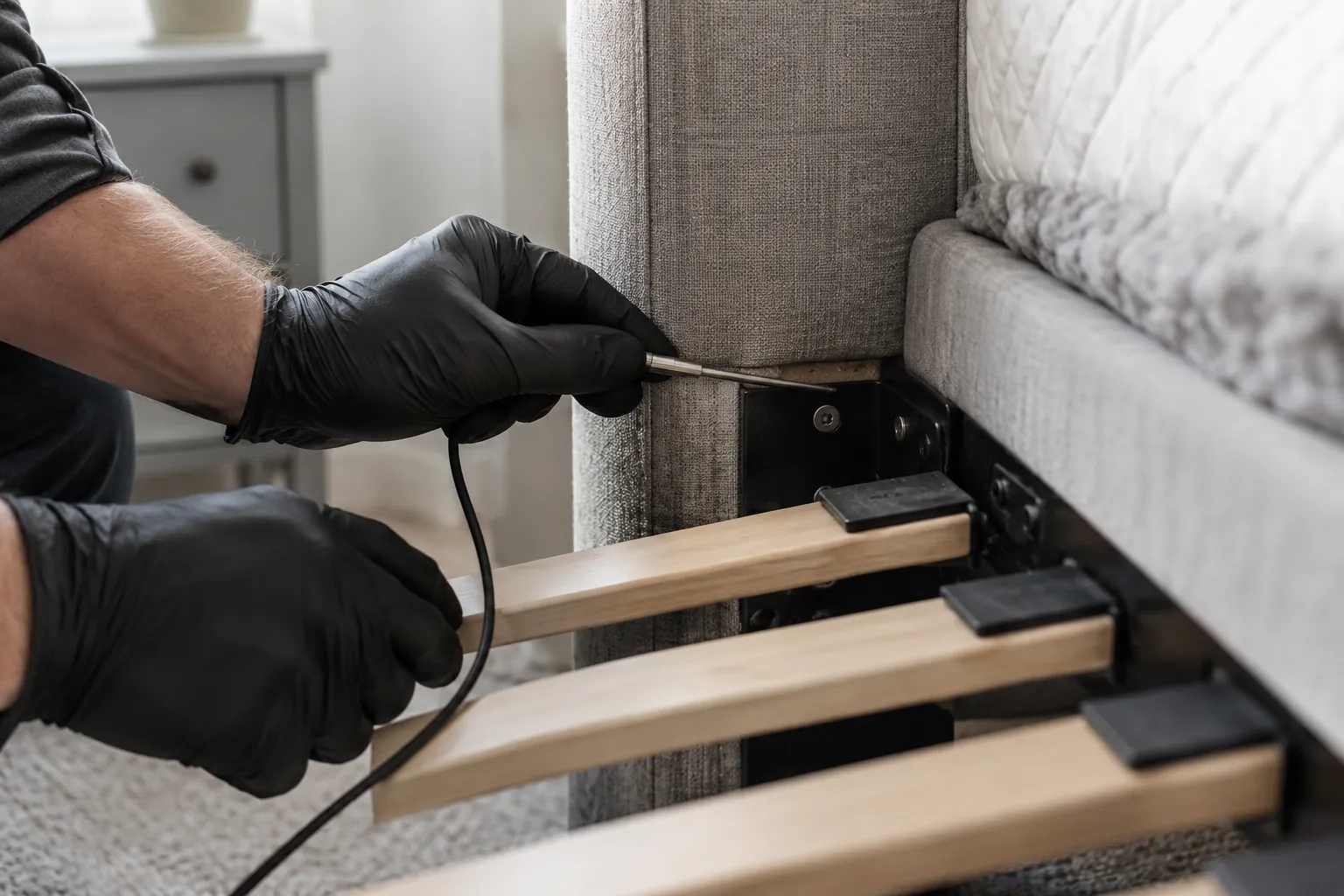
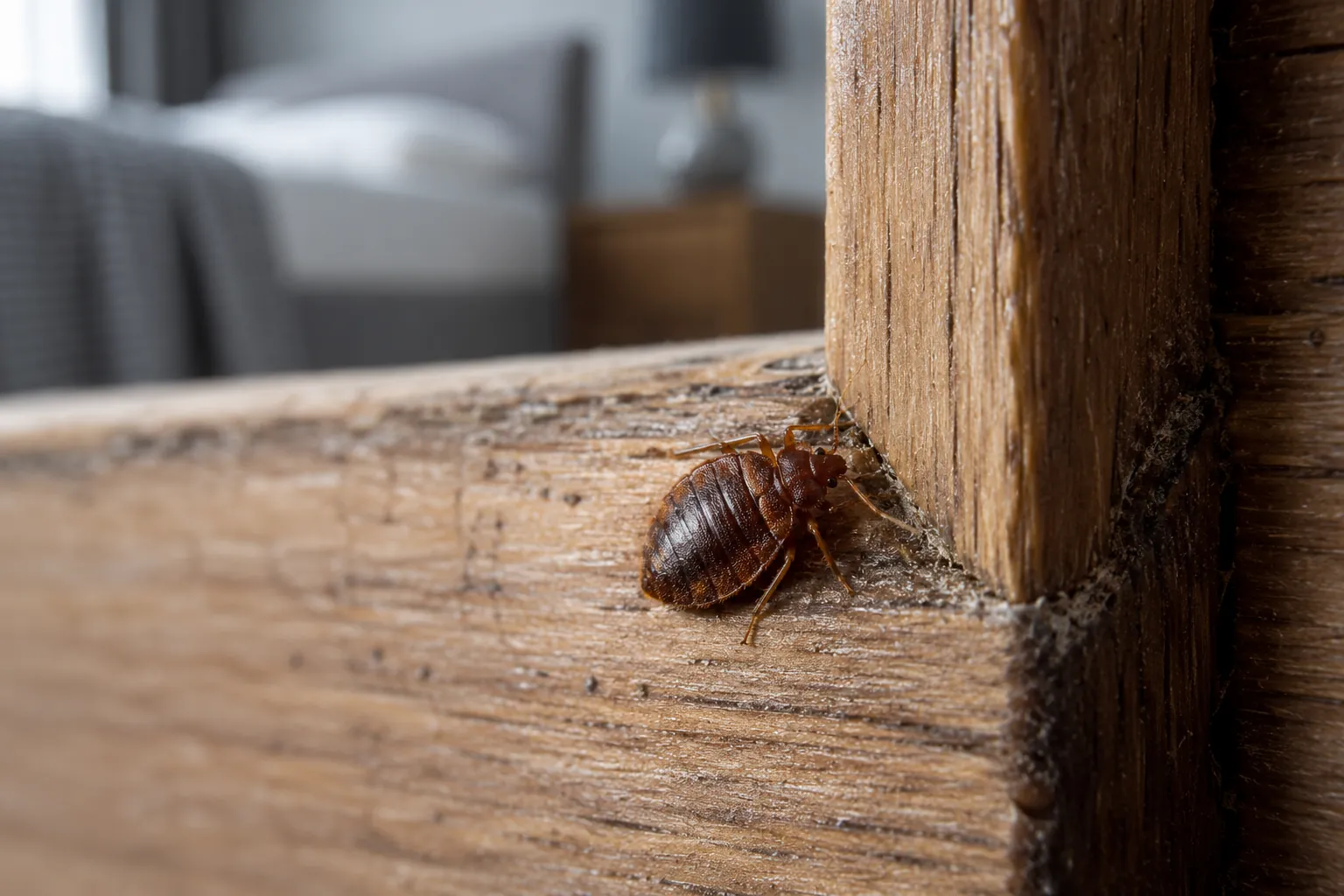
Inspect both the room and its contents
The specialist considers bed construction, furniture joints, stored belongings and accessible adjoining spaces. Dense or insulated items can affect the way heat reaches sheltered areas. A wardrobe full of belongings, fitted furniture and cluttered storage may therefore change the proposed arrangement. Explain any space that cannot be emptied, opened or inspected, so its limitations can be considered before work is agreed.
The room itself also matters. Doors, accessible openings, floor layout and the route for equipment need assessment, while electrical or other supply arrangements must be suitable for the proposed equipment. Confirm the proposed heater arrangement and electrical requirements before preparing the rooms. Ask how those requirements will be checked. An ordinary domestic heater, an improvised heat source or a room-air reading alone should not be treated as an equivalent plan.
Define the boundaries of the proposed treatment
The proposal should describe which rooms, furniture and belongings are included and how connecting areas are considered. Evidence outside the proposed space may require further inspection or a different plan. Ask what the assessment has established about adjoining rooms and what remains uncertain. A promise based only on the floor area would overlook the way contents, access and harbourages can affect a heat visit.
In rented accommodation, fitted features and shared access can involve a landlord or managing agent. Arrange permissions for any necessary preparation and clarify which person can authorise changes to the plan. If occupants cannot move particular belongings or leave a space available for the agreed period, tell the service provider before the appointment. The scope should reflect the actual property and access, not an assumed empty-room scenario that cannot be achieved on the day.
Identify sensitive belongings rather than guessing
Ask for a preparation checklist tailored to the proposed heat arrangement. Heat-sensitive contents, electrical items, aerosols, delicate finishes and other materials may need individual consideration. Do not remove items from an affected room uncontained simply to clear space. The plan should explain which belongings can stay, which need protection or separate handling and how their movement will avoid redistributing suspected insects.
Confirm arrangements for people, pets, plants and any aquariums before the visit. Explain belongings that cannot be moved safely and any instruction that conflicts with the household’s circumstances. Raise preparation questions in advance so the assessment can be revised if necessary. A checklist from another provider or a previous property is not proof that the same heat method, equipment or contents assessment applies to this booking.
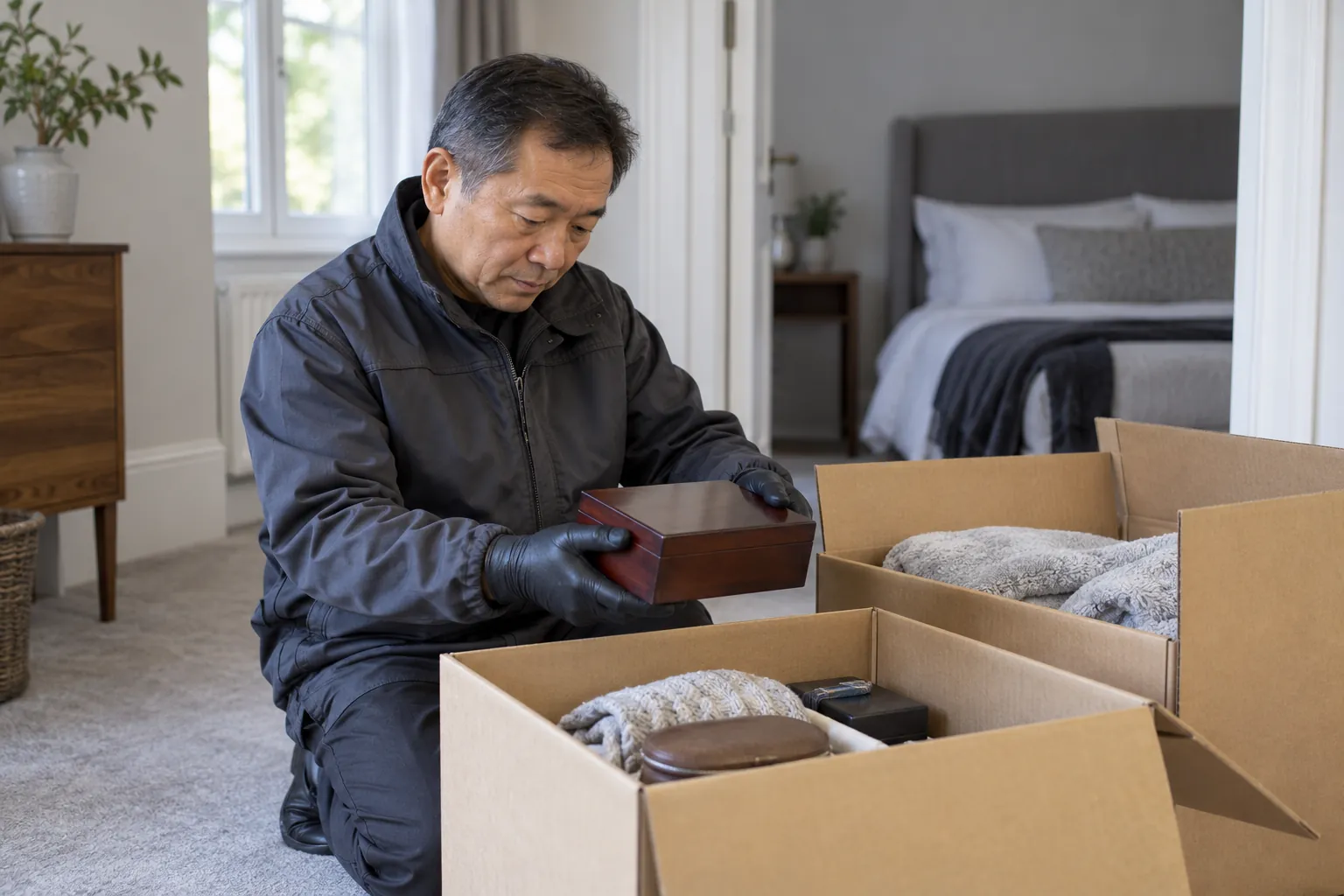
Arrange equipment, access and supervision
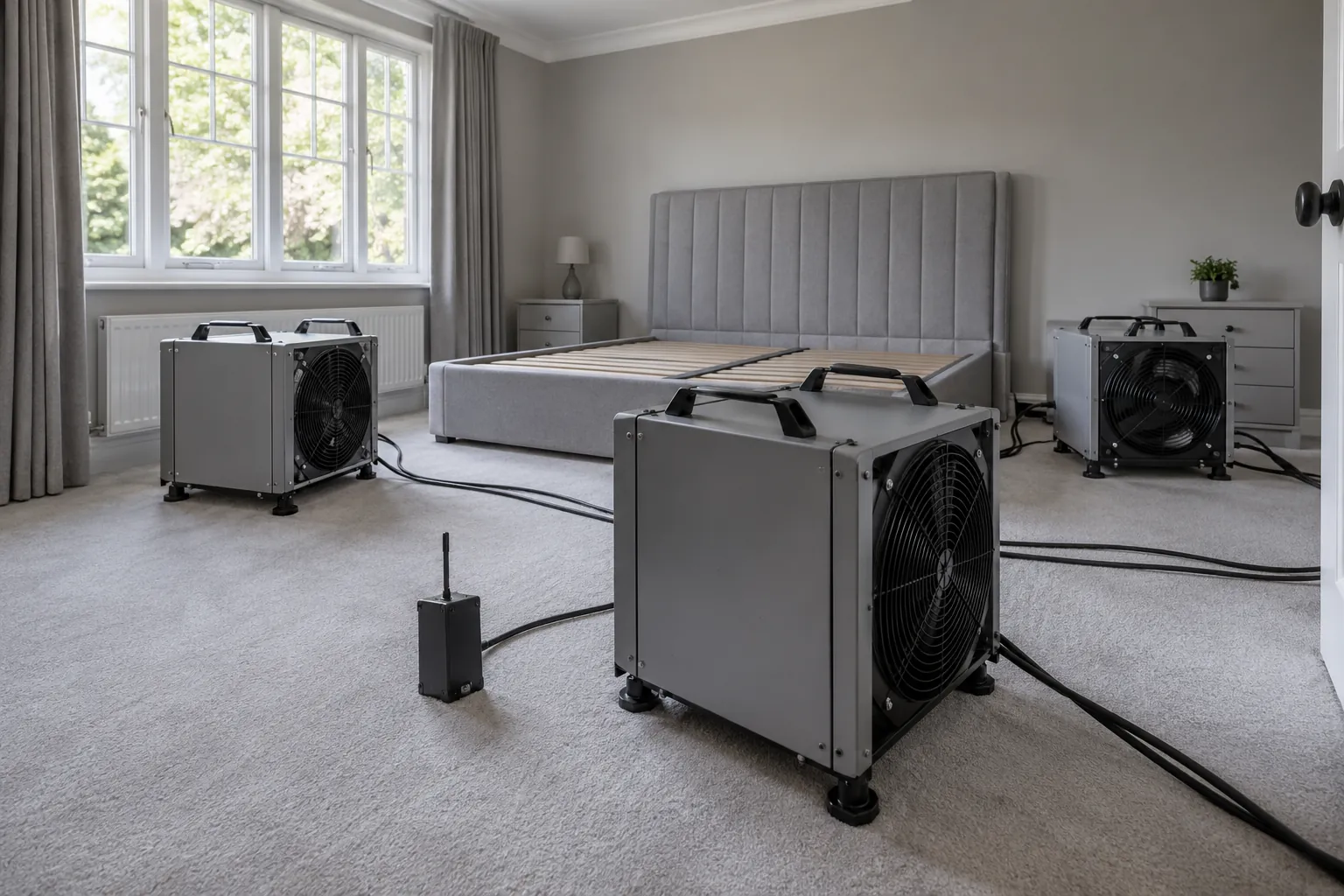
Before equipment is positioned, confirm that preparation has been checked and the relevant spaces can be used as planned. Cables, probes and equipment need suitable routes, and access restrictions should be understood by occupants or staff. The person responsible for the property should know which areas are out of use and who may enter. Avoid assuming that a heat visit can be worked around ordinary room occupation without specific arrangements.
The agreed process should include the monitoring and checking appropriate to the method. Do not move probes, alter equipment settings or reintroduce belongings while work is underway. Ask what treatment record will be provided and how any limitations or deviations will be explained. The end of equipment operation is not automatically permission to occupy a room; return arrangements and any additional treatment precautions need explicit confirmation before normal use resumes.
| Record | Client question | Review value |
|---|---|---|
| Defined rooms and contents | Was anything excluded or inaccessible? | Distinguish treated scope from unresolved areas |
| Monitoring arrangement | Which locations were assessed? | Understand the treatment record |
| Return instructions | When may rooms and belongings be used? | Coordinate occupancy and any complementary precautions |
Use the record and fresh evidence at review
At handover, ask what work was completed, which monitoring positions were used and whether any areas or items were excluded. Keep that record alongside the original locations of bed bug evidence. Confirm when belongings can be returned, when rooms can be occupied and what cleaning or additional precautions apply if another method was used alongside heat. The instructions should describe this treatment, not a generic rule for all heat work.
If further insects are found, note the date, location and item before making assumptions about the reason. A review may need to distinguish surviving activity, an untreated area, belongings excluded from the plan or a later introduction. It should be based on evidence and the treatment record. Further inspection or treatment may be appropriate, but a fixed number of return visits is not promised here and any additional scope should be agreed.
Manage belongings after the room returns to use
The prevention discussion should address the items and movements that were relevant to the assessment. Ask how separately handled belongings should be checked or returned, and keep suspect items from being mixed with unaffected storage without advice. Clear access around beds and furniture can make later inspection easier. It is not a substitute for following the agreed treatment plan or a guarantee against another introduction.
Record any new furniture, travel luggage or other relevant movement if a later enquiry is necessary. This helps separate events after the visit from evidence present before it. The Southall aftercare guidance gives the wider principle of following method-specific instructions. If identification later points to a different insect, the service overview should guide a fresh enquiry rather than applying heat assumptions to an unrelated pest problem.
Price the preparation and monitoring requirements
The quote can depend on the rooms included, contents, equipment access, monitoring arrangement, supply requirements and whether any complementary work is proposed. No Southall heat-treatment price has been confirmed for publication. Ask what inspection, preparation checks and treatment records are included, and how excluded items or inaccessible areas affect the proposal. An unexplained price per room may not communicate those differences.
If a bedroom cannot be used because of a suspected bed bug problem, call +44 20 3966 2383 with the postcode, room layout, evidence and treatment history. Availability and the appropriate assessment are confirmed during the enquiry. Do not attempt to recreate a professional heat visit using domestic heaters, open-flame equipment or an improvised sealed room while waiting. A practical assessment may recommend a different method or further inspection before heat can be considered.
Questions about this service
Bed Bug Heat Treatment — questions
Is warming the room air the same as treating every hiding place?
No. Sheltered joints and dense contents can behave differently from the surrounding air. Ask how potential cold spots and monitoring positions are addressed in the proposed heat plan.
Will every electrical item need to be removed?
Not necessarily, but do not decide from a generic checklist. Explain the contents so the provider can give instructions for the actual method and any sensitive items. Movement out of an affected room also needs consideration.
Can heat treatment be priced from bedroom size alone?
Room dimensions are only part of the assessment. Contents, access, equipment requirements and the defined scope can affect the work. Ask what assumptions the quotation relies on before accepting it.
What should I ask about temperature records?
Ask which locations are monitored, how sheltered areas are considered and what record will be explained at handover. The aim is to understand the agreed process rather than rely on one room-air reading.
Can a whole-room plan exclude a wardrobe full of belongings?
The scope needs to say what is included and how inaccessible or sensitive contents are handled. Do not assume that every item is covered simply because it is located inside a room named in the quotation.
Does switching off the heaters mean I can move straight back in?
Return arrangements need explicit confirmation. The method, room conditions and any complementary treatment may affect access. Follow the handover instructions rather than assuming that equipment removal is the only condition.
Discuss the findings.
Agree the next step.
Call with the affected rooms, your Southall postcode and the signs you have noticed.