
Pest control services · Southall
Cockroach Treatment Southall
Cockroach activity needs an assessment of the hidden spaces that support it, not just the visible insect. Explain where sightings occur and which appliances, cupboards or food areas are involved. The inspection establishes identification, distribution and access before monitoring or a treatment method is selected.
- Cockroach identification checked before planning treatment.
- Warm appliance voids and cabinet hinges examined.
- Food, moisture and harbourage assessed together.
- Monitoring locations chosen to clarify activity patterns.
- Cleaning arrangements coordinated with any bait or treatment.
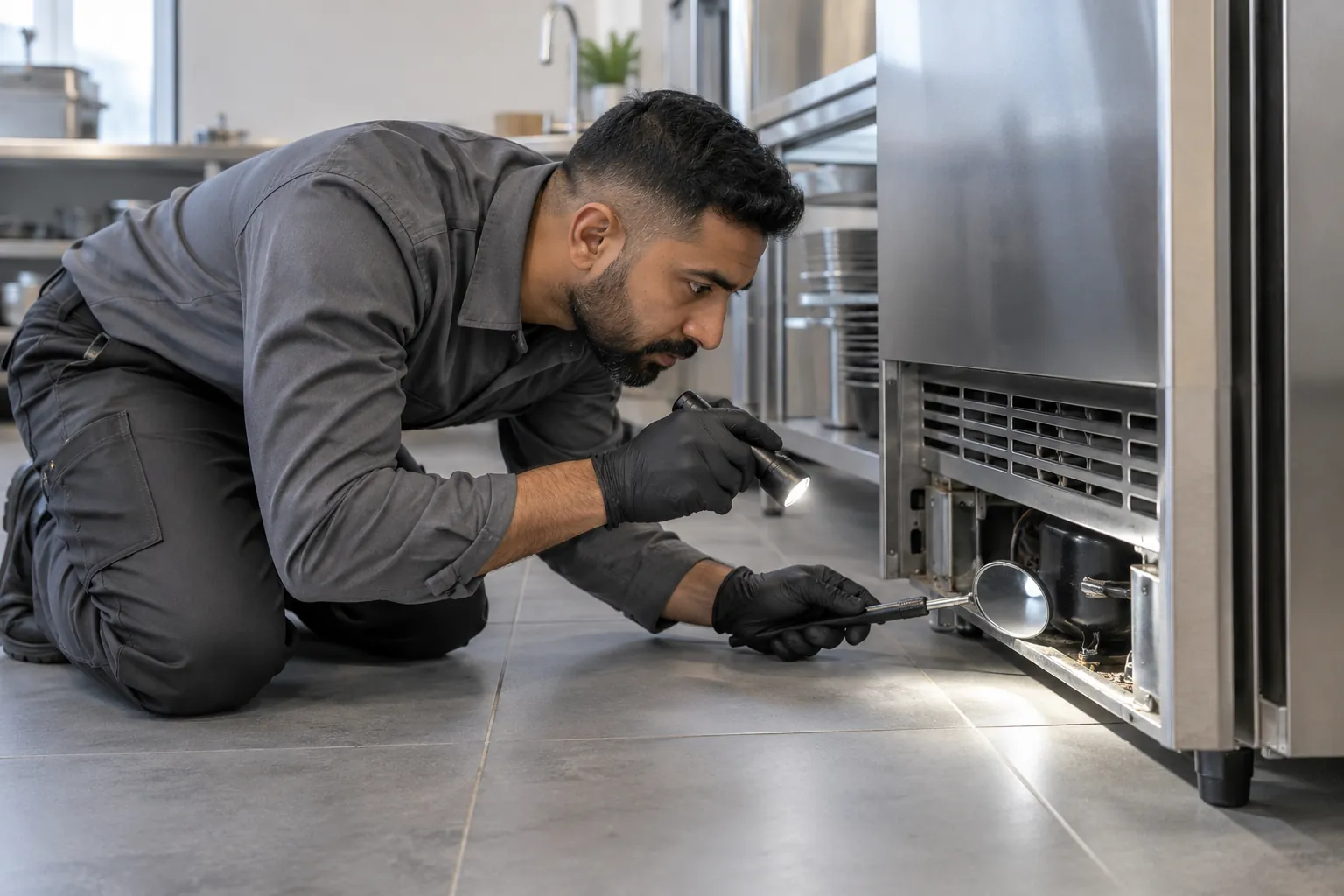
Identify the insect and where it is being seen
Keep a clear photograph of the insect if it can be obtained without disturbing the area. Explain whether sightings are concentrated near a refrigerator, sink, cupboard or elsewhere in the premises. Size, appearance and the pattern of activity can affect the investigation. A report of a brown insect does not by itself confirm the species, and a dead insect left from an earlier treatment should be distinguished from a fresh sighting.
Tell the specialist about recent deliveries, second-hand appliances, plumbing changes and previous pest products. These facts may guide checks without proving a particular source. Note whether insects are seen during ordinary use or when an appliance is moved. The Southall inspection approach is based on establishing evidence and accessible limits, which is particularly relevant when most of the suspected harbourage lies behind fitted or operating equipment.
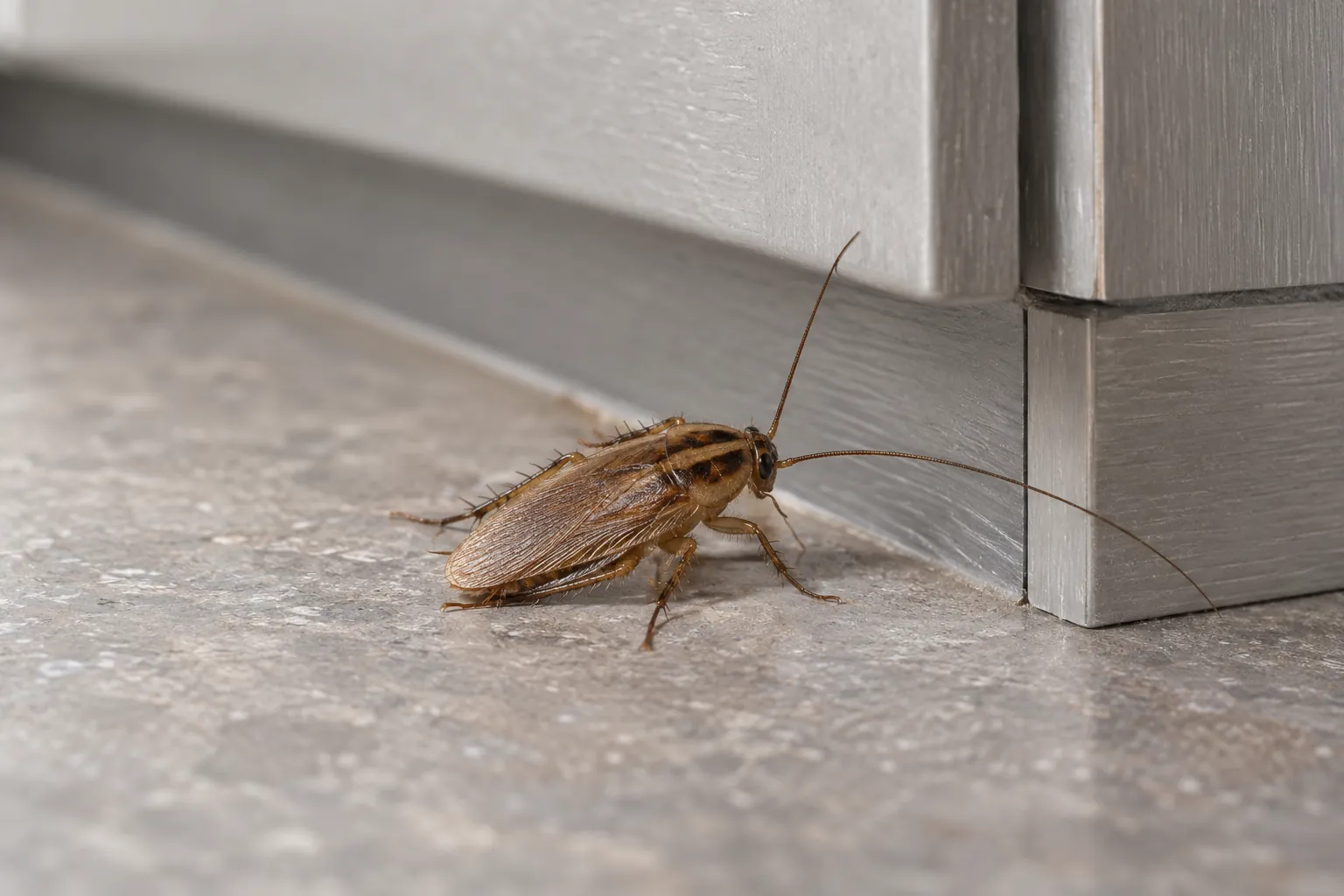
Examine sheltered warm and damp locations
A torch and inspection mirror may be used around accessible hinges, plinths, appliance edges and pipe boxing. The specialist looks for insects, egg cases, droppings and sheltered locations in relation to the reported sightings. Access behind an appliance needs a safe arrangement; the visit should not depend on an occupant disconnecting fixed electrical or plumbing connections without appropriate help.
Moisture around a sink, a warm motor area and accumulations of debris can change where attention is focused. The inspection should distinguish an observed condition from a concealed defect that has not been verified. If a cabinet cannot be opened or a commercial appliance cannot be moved during operating hours, record that limitation. The resulting scope may need a later access arrangement rather than implying that the whole installation has already been examined.
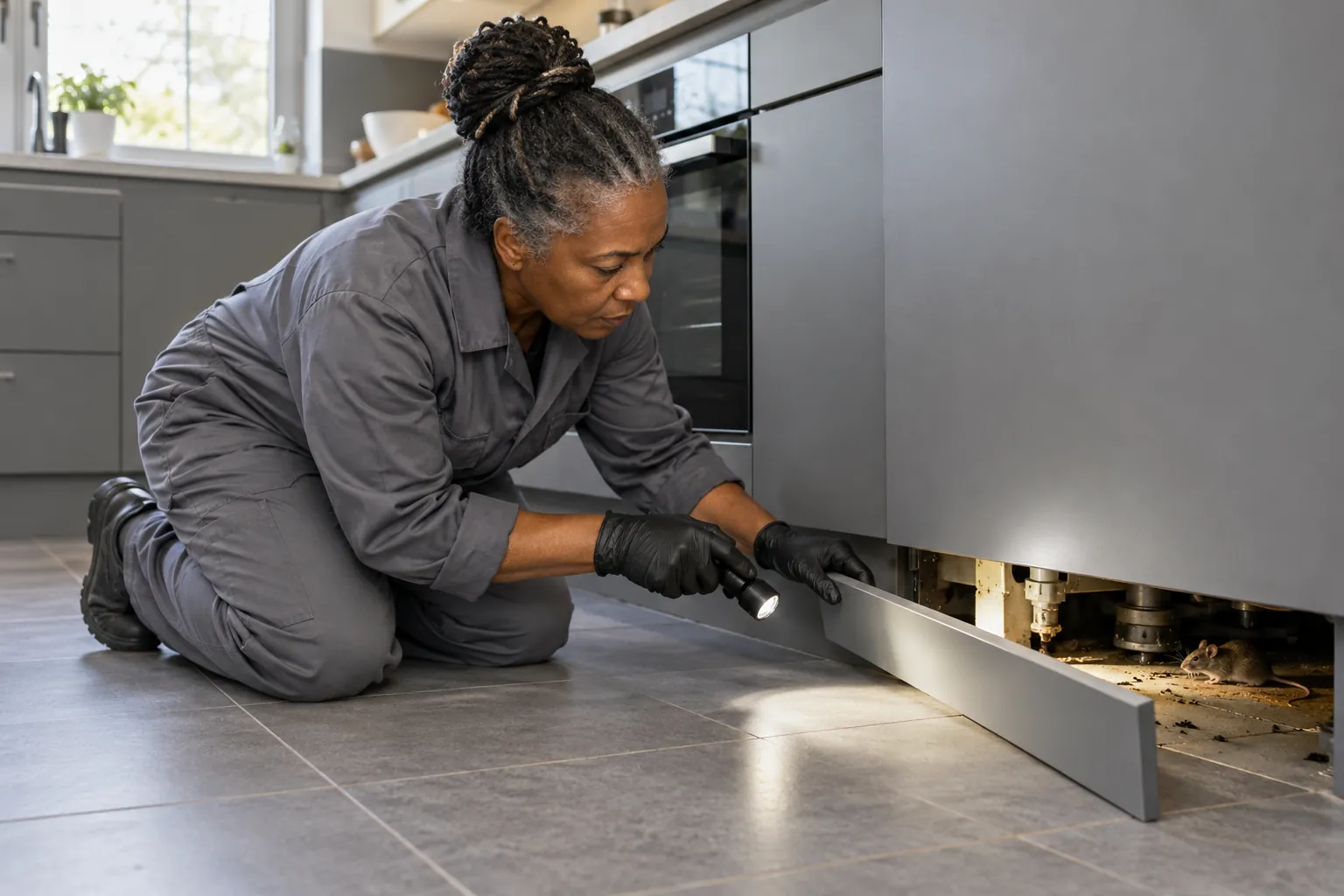
Match monitoring and treatment to the findings
Possible methods may include appropriately located monitoring traps, suitable bait placements, targeted treatment of relevant harbourages and changes to food or moisture conditions. None is promised as a fixed package before the inspection. The identified species, extent of activity, available access and use of the premises determine the proposal. Ask what the chosen approach is intended to show or control and how progress will be assessed.
If a bait product is proposed, its position and permitted use matter. Cleaning products, other insecticides and competing food can affect the arrangement, so the people using the space need clear instructions. A targeted product must not be treated as a reason to ignore a persistent leak or inaccessible source. Conversely, a clean-looking kitchen does not establish that hidden activity has ended. Monitoring and the inspection record help distinguish those different questions.
| Finding | Related inspection focus | Planning implication |
|---|---|---|
| Activity around a warm appliance | Motor edges, accessible voids and nearby food | Arrange safe appliance access and targeted assessment |
| Evidence at a sink cabinet | Moisture, hinges and service penetrations | Consider maintenance alongside control |
| Sightings across connected units | Shared routes and authority to inspect | Clarify scope and permissions before expanding work |
Map activity across working and storage areas
The distribution of sightings determines which rooms, cupboards or equipment groups need inspection. In a home, this can involve the kitchen and connected utility spaces. In a workplace, food storage, preparation, waste handling and staff areas may need separate consideration. Ask which areas have evidence and which are included for monitoring because they connect to the suspected source.
Tell the specialist about shared service routes or neighbouring units, especially if one room has been treated repeatedly without a clear source being established. Access beyond the booked premises may require another responsible person. Damp-loving insects are not all cockroaches; silverfish control involves a different identification and environmental assessment. This distinction prevents a general moisture concern from becoming an inappropriate cockroach treatment proposal without supporting evidence.
Coordinate work around food and equipment
Before work begins, settle access to the agreed cupboards, appliance edges and service spaces. Food, utensils and preparation surfaces may need protection or removal according to the method. A business may need to arrange a period when the relevant equipment or area can be accessed without staff working through the treatment space. These arrangements should be confirmed rather than assumed from the booking time.
The specialist should explain where monitoring or control has been placed and which locations must remain undisturbed. A location record is useful where cleaners, maintenance staff or several occupants use the premises. Ask what was not accessible and whether later access is part of the proposal. If a method changes after inspection, clarify the revised precautions before work proceeds rather than applying instructions intended for an earlier plan.
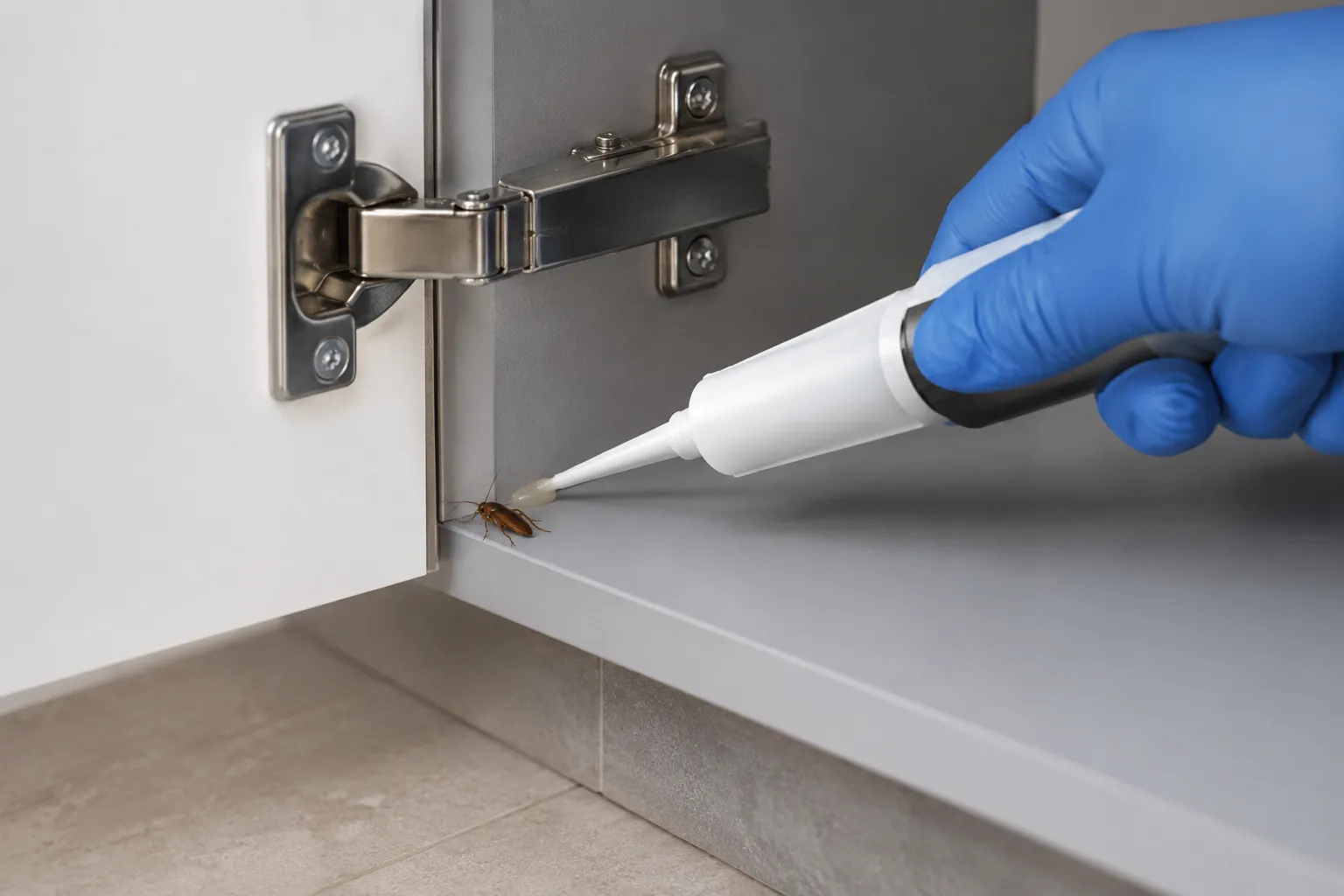
Clear the agreed areas without spreading belongings
Preparation and access
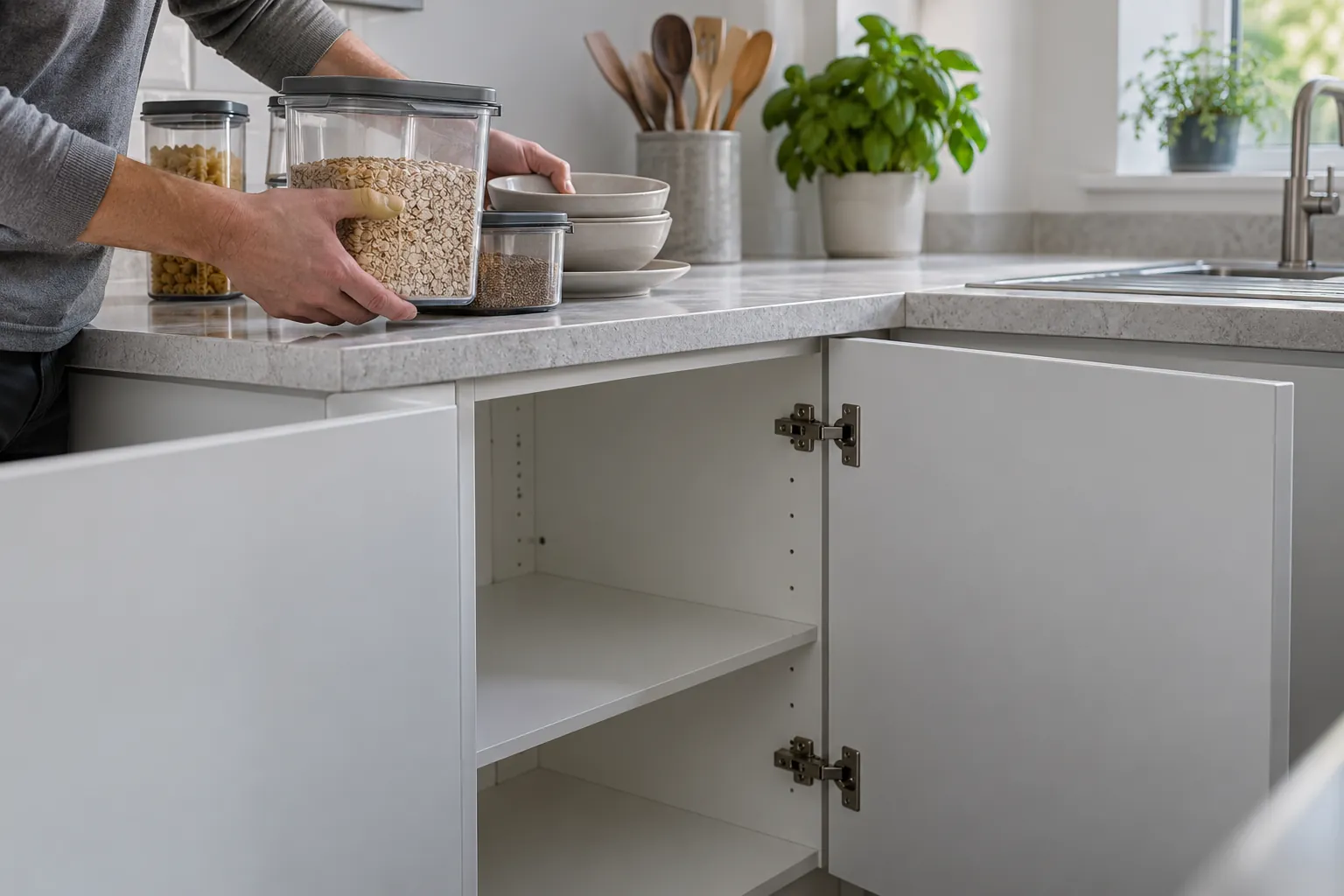
Ask which cupboards and appliance surrounds need to be accessible. Move loose items to a suitable clean area as instructed, keeping affected packaging or equipment from being redistributed without advice. Avoid pulling out heavy or connected appliances yourself. Explain fixed joinery, damaged surfaces or a lack of safe access before the visit so the inspection can be planned around the actual premises.
Household arrangements
Discuss routine cleaning and any household sprays already used. The specialist needs to know what may have altered the visible evidence or affected proposed product positions. Food and animal feeding items should be managed according to the instructions for the agreed work. Contact us about preparation if operating hours, a shared kitchen or essential equipment prevents the access or temporary restrictions that have been proposed.
Read monitoring results alongside fresh sightings
Follow the product-specific re-entry, cleaning and ventilation instructions, if those apply to the method used. Do not wipe away placements, move traps or add a second insecticide without checking. A cleaner who was not present at the visit still needs to know which areas are restricted. Report any accidental removal or disturbance so it can be considered when the result is reviewed.
Record sightings by location and date, including whether an appliance or cabinet has been moved. A follow-up may compare monitoring findings, newly observed activity and changes to food or moisture conditions. The appropriate interval and further work depend on the plan; no standard clearance deadline is stated here. Further treatment should follow that assessment rather than being selected simply because one insect was noticed without a reliable location or history.
| Arrangement | Confirm with the provider | Tell occupants or staff |
|---|---|---|
| Bait or targeted product | Where placed and what must remain undisturbed | Do not clean away or add other products without advice |
| Monitoring trap | Purpose and checking arrangements | Keep its position consistent |
| Appliance or storage repair | Safe access and timing around the control plan | Report disturbance or changed conditions |
Set the quotation around access and activity
The affected rooms, type and number of appliances, harbourage access, proposed method and monitoring or return visits can influence the price. Ask for a quote that identifies the areas to be inspected and the proposed treatment and monitoring work. Ask how the scope is defined, whether an inspection is included and what additional access or visits would require separate agreement. A commercial equipment arrangement should not be priced as if it were an empty domestic cupboard without assessment.
For urgent sightings in food storage or a working kitchen, call +44 20 3966 2383 and describe the exact area and operating restrictions. Availability and a suitable next step are confirmed during the enquiry. Protect affected food and avoid moving suspect appliances or packaging through other areas while waiting for instructions. Confirm appointment availability and any immediate precautions for the affected food or storage areas during the call.
Remove the conditions that keep harbourage usable
Recommendations may include addressing accessible food residues, managing waste, repairing moisture problems and reducing sheltered clutter around equipment. Make the tasks specific to the locations observed during inspection. A maintenance issue may need a plumber, appliance technician or building manager, and its completion should be coordinated with any monitoring arrangement rather than disrupting it.
Incoming goods or appliances can also be discussed where relevant, without assuming that a delivery caused the infestation. Keep records of changes to storage, equipment and activity so a later review has useful context. The confirmed Southall service range provides the appropriate enquiry route if identification points elsewhere. A repeated general spray is not a substitute for checking whether the original harbourage or a connected source remains accessible to the insects.
Questions about this service
Cockroach Treatment — questions
Does a cockroach near the fridge mean the whole appliance is infested?
It identifies a location worth examining, not the full extent by itself. The inspection considers accessible warm voids, surrounding harbourage and evidence before deciding what access or treatment is needed.
Can the specialist move a connected commercial appliance?
Do not assume this is included or safe. Explain the appliance and connections in advance. Appropriate maintenance help or a separate access arrangement may be needed before the relevant void can be inspected.
Why are monitoring traps placed before or alongside treatment?
They can help establish where activity is occurring and provide a consistent comparison at review. Their usefulness depends on suitable placement and leaving them in the agreed positions.
Can I spray aerosol near a bait placement?
Ask before using any additional product. It can affect the agreed arrangement and create precautions that have not been assessed. Tell the specialist what has already been applied and where.
Will the kitchen have to close for the visit?
The answer depends on the method, access and use of the space. Confirm the restrictions in advance rather than assuming either uninterrupted operation or a standard closure period for every treatment.
Why are cleaning staff part of the aftercare discussion?
They may otherwise remove monitoring items or disturb product positions during routine work. Share the specific instructions so cleaning and pest monitoring support each other rather than undoing the agreed arrangement.
Discuss the findings.
Agree the next step.
Call with the affected rooms, your Southall postcode and the signs you have noticed.