
The way we work
About Our Pest Control Service in Southall
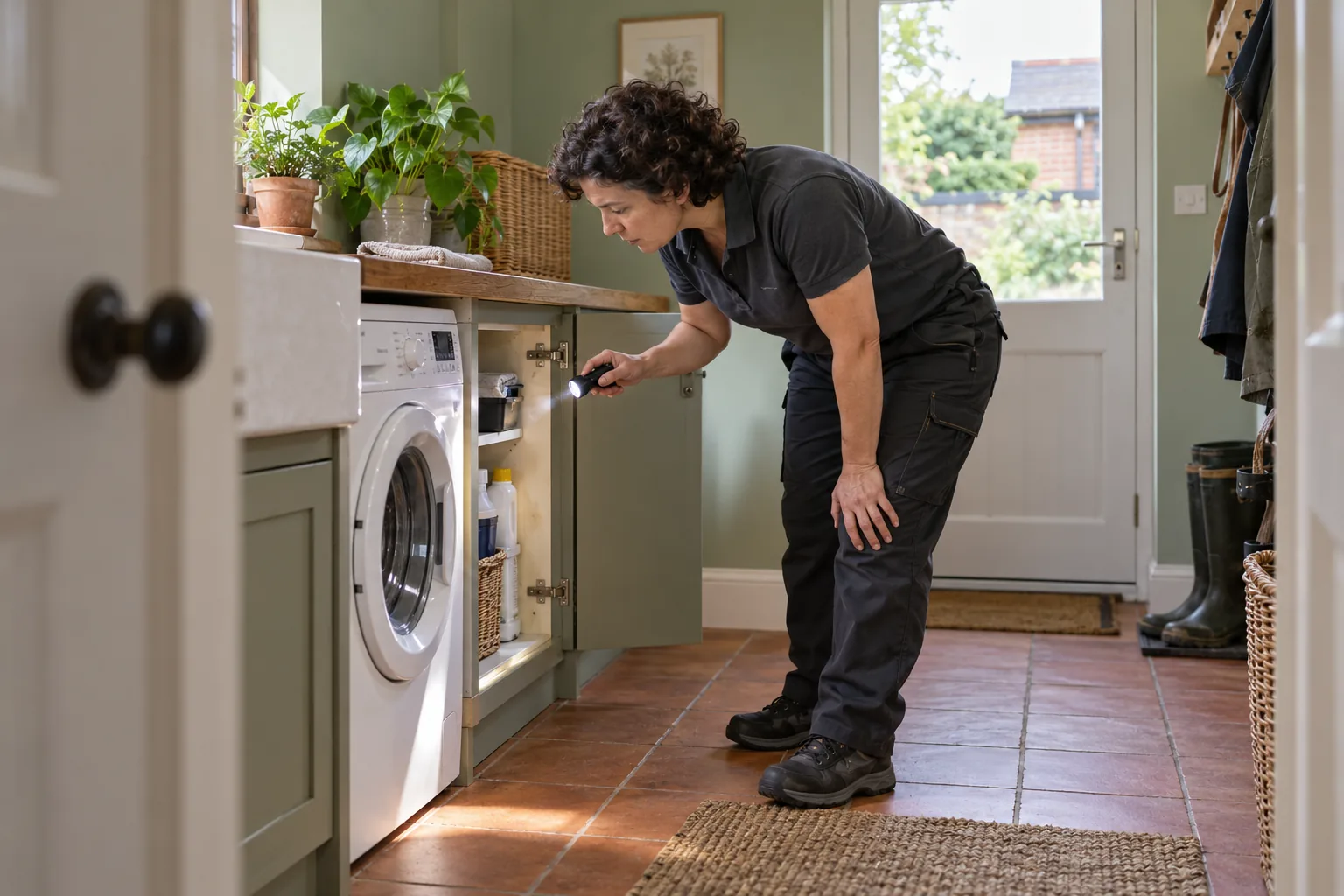
A closer look.
A considered response.
Pest control begins with understanding the property and the evidence. Our Southall service brings inspection, preparation and practical aftercare into one conversation, so you can understand the proposed work before deciding what happens next.
How we assess pest problems
The first enquiry helps establish what needs examining. Describe the insect or animal if you can, but explain the signs even when identification is uncertain. The location of droppings, a damaged carpet edge or a noise in the roof can be more informative than a guessed species. Give your postcode, property type and the rooms involved. Mention whether activity appears in daylight, at night or only after a room has been unused.
We also ask about previous treatment, recent building work and changes in occupancy. Shop-bought sprays, moved furniture or newly sealed gaps may alter the evidence and affect the next recommendation. Tell us about shared walls, communal refuse areas and access controlled by a landlord. These details help define an inspection that can realistically be carried out with the permission and access available.
Assessment brings those observations together with the physical findings. The aim is to distinguish the active source from old damage or an isolated sighting, then explain which areas appear affected and where uncertainty remains. A treatment proposal should identify its purpose, its limits and any preparation you need to complete. You can ask what evidence supports the recommendation before agreeing to proceed.
What happens during an inspection
An inspection follows the reported activity through accessible parts of the property. At floor level, this may mean examining cupboard corners, service penetrations and the edges behind movable furnishings. In a bedroom, the attention may shift to mattress piping, bed joints and nearby furniture. The specialist looks for a pattern of evidence rather than assuming every mark has the same cause.
Access determines what can be checked safely. A roof space needs suitable entry and a safe place to stand; a concealed void may need a separate arrangement. We explain areas that could not be reached rather than treating an unseen space as confirmed clear. Do not remove fixed panels, disturb electrical fittings or climb into an unsafe loft to prepare for a visit.
The discussion after the inspection connects findings to practical choices. It should cover the affected locations, suitable control options, precautions and how progress will be assessed. If the evidence suggests a building defect, drainage issue or neighbouring source, that may require a separate trade or permission. An inspection can identify a question that needs further investigation without promising to resolve every structural problem during one appointment.
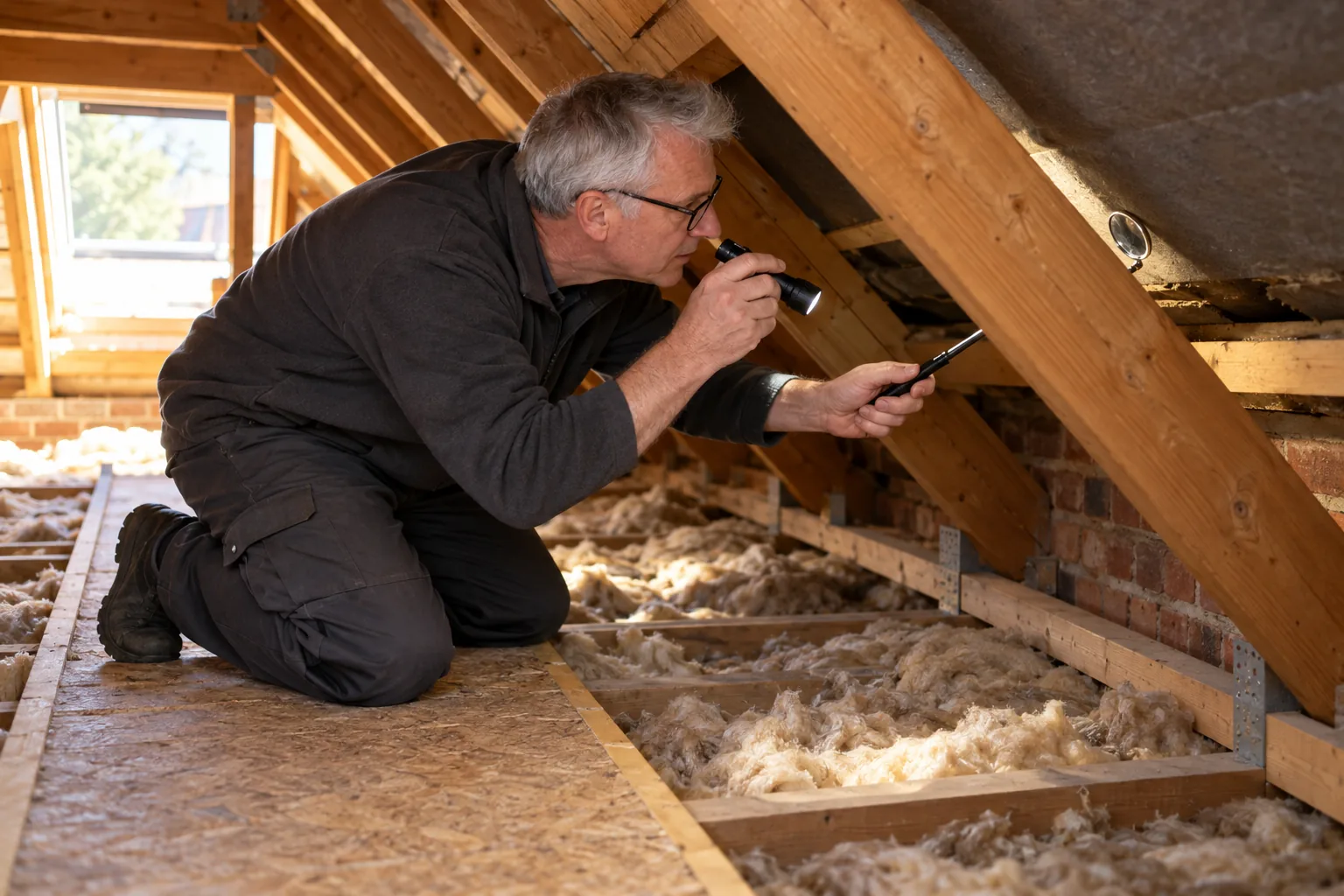
Different pests require different treatments
The same room can present different problems. These examples show why identification and context matter; the table does not prescribe a treatment before inspection.
| Pest Problem | Inspection Focus | Treatment Considerations | Follow-up |
|---|---|---|---|
| Mice and rats | Droppings, gnawing, routes and accessible entry points | Assessed trapping or baiting, food protection and appropriate proofing | Compare new activity with the original route findings |
| Squirrels | Species, loft evidence and roof access | Lawful species-specific control; exclusion only when appropriate | Confirm activity before closing access |
| Bed bugs | Insects, cast skins and spotting around beds and furniture | Targeted treatment; monitored heat only after a suitability assessment | Review evidence in affected and connected rooms |
| Cockroaches | Harbourages, warmth, moisture and monitoring findings | Suitable bait placement or targeted treatment alongside source reduction | Use fresh monitoring evidence to guide further work |
| Textile pests | Larvae, cast skins and susceptible natural fibres | Locate the source; coordinate cleaning, item care and assessed treatment | Check vulnerable items for fresh damage |
| Fleas and silverfish | Resting areas or species-specific environmental conditions | Coordinate environmental measures with an appropriate targeted method | Review activity and the conditions supporting it |
Working in homes and commercial premises
A home visit must account for daily life. Tell us about children, pets, aquariums and anyone who may need help following access instructions. Share the practical precaution needed rather than unnecessary medical detail. Product restrictions, ventilation and re-entry instructions depend on the method selected, so there is no universal promise that every treatment is suitable around every occupant.
Commercial premises introduce different access and scheduling questions. Food preparation, stock storage, staff movements and shared service areas can influence both inspection and treatment. Discuss who can authorise the work and which areas can be cleared without disrupting safe operations. Keep food and food-contact items protected, and wait for the instructions for the agreed method before moving stock or carrying out extensive cleaning.
For rented or shared properties, explain who controls repairs and communal access. A tenant may be able to arrange entry to their rooms while a managing agent needs to coordinate a riser cupboard or neighbouring unit. We can discuss the accessible evidence, but responsibility for permissions and building repairs needs to be established separately. Clear arrangements help avoid a visit that cannot reach the relevant area.
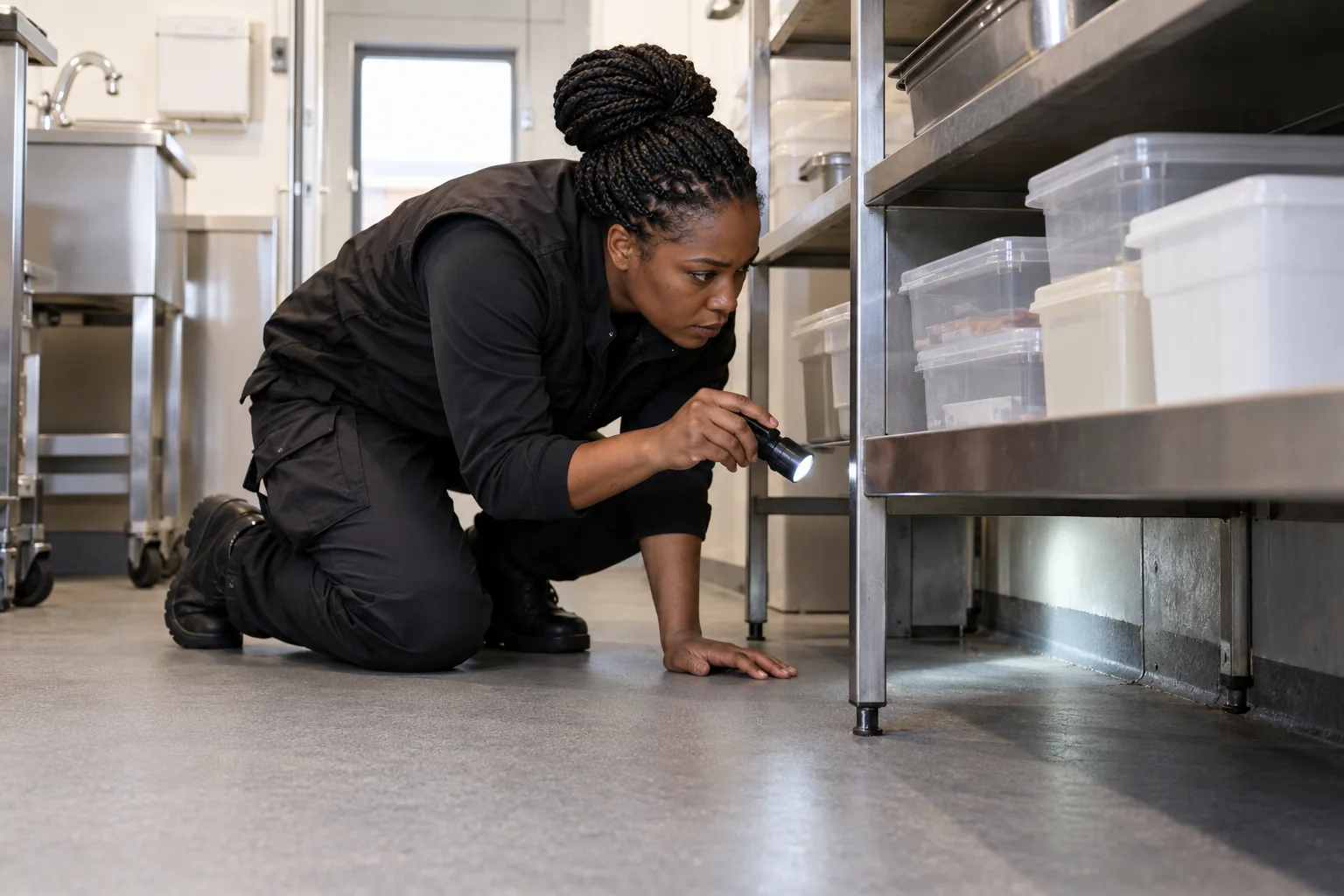
Our approach to prevention
Prevention starts with the route or condition supporting the pest. Rodent advice may concern an accessible pipe gap, damaged door edge or food storage arrangement. Textile pests may require attention to lint beneath furniture and items left undisturbed in storage. Some silverfish problems call for a closer look at moisture and ventilation. Useful prevention advice should be specific enough to act on and clear about what needs a different specialist.
Timing matters. Sealing an active access point without understanding the route can redirect activity or leave an animal in a concealed space. Cleaning too early can remove monitoring evidence or affect a treated surface. Ask which improvements can be made immediately and which should wait until activity has been reviewed. Use materials appropriate to the building and seek professional help for repairs involving electrical systems, drainage or unsafe access.
Aftercare provides a way to judge change. Keep a simple record of sightings by room and date, follow the instructions supplied for the actual treatment, and report fresh evidence rather than repeatedly adding products. An agreed review can then consider what has changed, whether access points remain and whether further work is justified. For practical questions about a visit, contact our Southall team and describe the current findings.
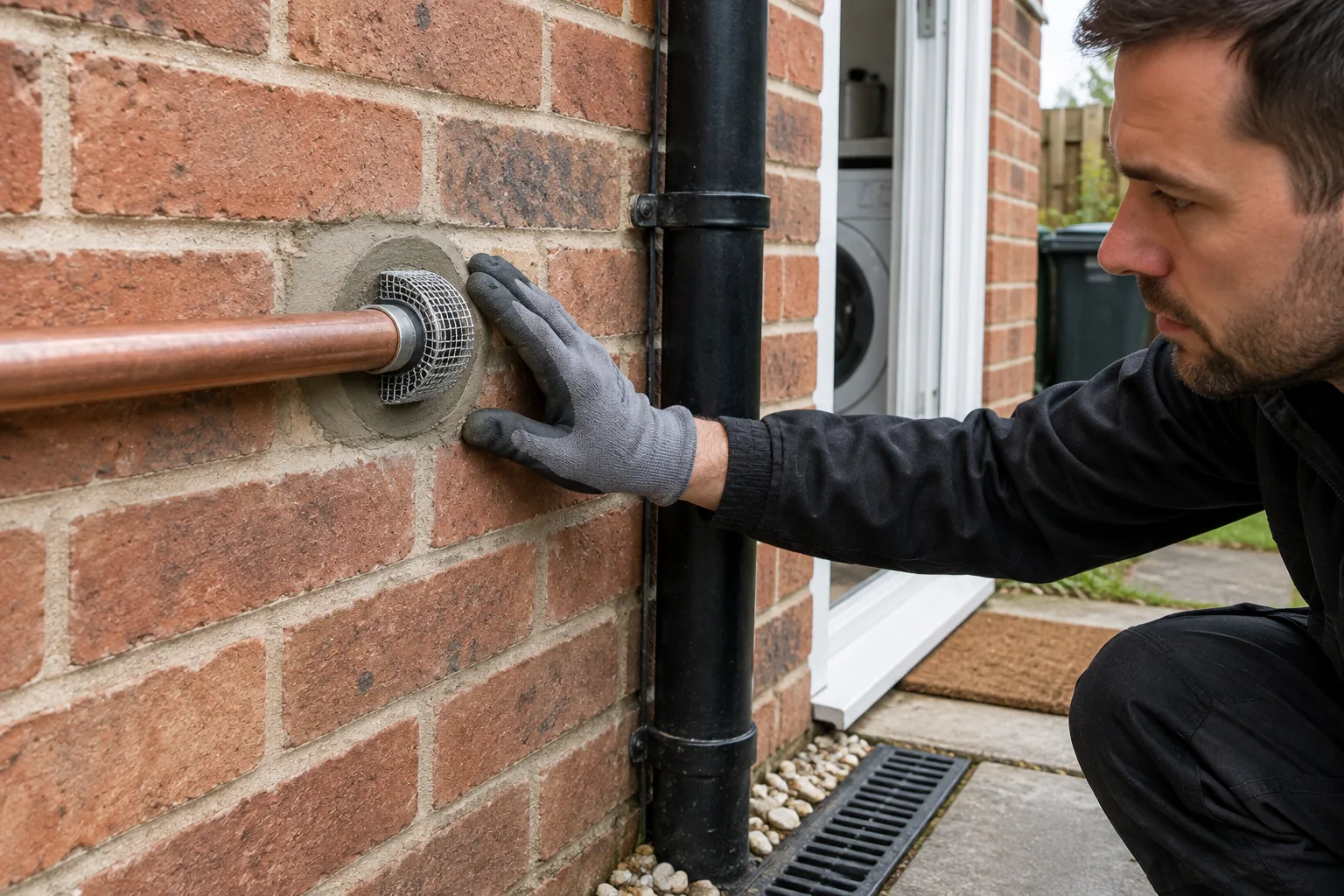

Explore our services
Read about the inspection and preparation questions relevant to the signs in your property. Each service page explains a different process and the decisions that may follow.
Mice Control ↗
Trace small indoor routes around pipework, units and stored food.
Rat Control ↗
Consider activity across the building boundary, garden and drainage clues.
Squirrel Control ↗
Identify roof-space activity and plan species-appropriate access management.
Bed Bug Treatment ↗
Examine sleeping areas and connected furniture before selecting targeted work.
Bed Bug Heat Treatment ↗
Assess room suitability, sensitive belongings and temperature monitoring.
Cockroach Treatment ↗
Investigate concealed harbourages, moisture and patterns in monitoring.
Moth Control ↗
Locate vulnerable textiles and the larval source behind fresh damage.
Flea Treatment ↗
Connect affected floor areas with resting places and household preparation.
Silverfish Control ↗
Relate identification to sheltered locations and environmental conditions.
Carpet Beetle Treatment ↗
Look for larvae and cast skins around natural fibres and hidden debris.
Talk through the evidence.
Call with your postcode, the affected areas and what you have noticed. Appointment availability and the scope of any visit are confirmed during the enquiry.