
Pest control services · Southall
Squirrel Control Southall
Noise near the roof needs identification before a gap is closed or a trap is chosen. A squirrel enquiry considers accessible loft evidence, the outside of the building and the practical limits of working around roof spaces. Explain the sounds, locations and any visible damage when arranging the inspection.
- Loft sounds considered alongside visible animal evidence.
- Accessible eaves and roof-entry clues assessed.
- Nesting activity and possible dependent young considered.
- Species and welfare requirements inform control decisions.
- Exclusion timing coordinated with activity and roof repairs.
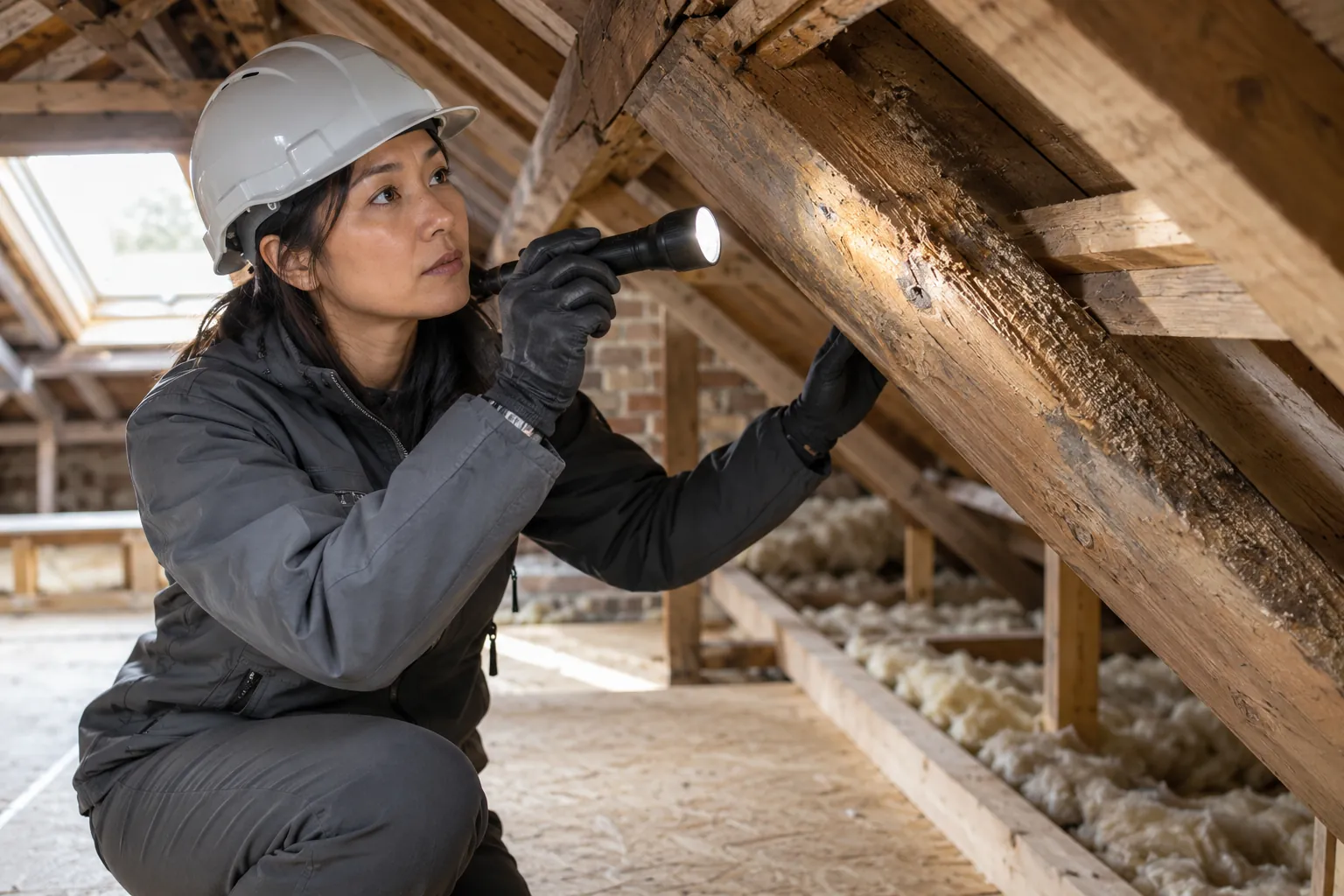
Identify the animal before planning exclusion
Describe when the noise occurs, which part of the roof seems affected and whether you have seen an animal using an opening. Squirrels, rodents and birds do not require the same response. A photograph taken safely from the ground can help establish what needs checking, but sound travelling through roof timbers can be misleading. The specialist should distinguish what has been identified from a possible explanation that still needs evidence.
Show any accessible damaged insulation, nesting material or gnawing without handling it. Mention previous roof repairs and the dates when openings were noticed. If the evidence is consistent with smaller rodents, rat control assessment or another inspection may be more appropriate. The purpose of the enquiry is to establish the animal and the circumstances, not to select a squirrel-control device solely because something can be heard above a ceiling.
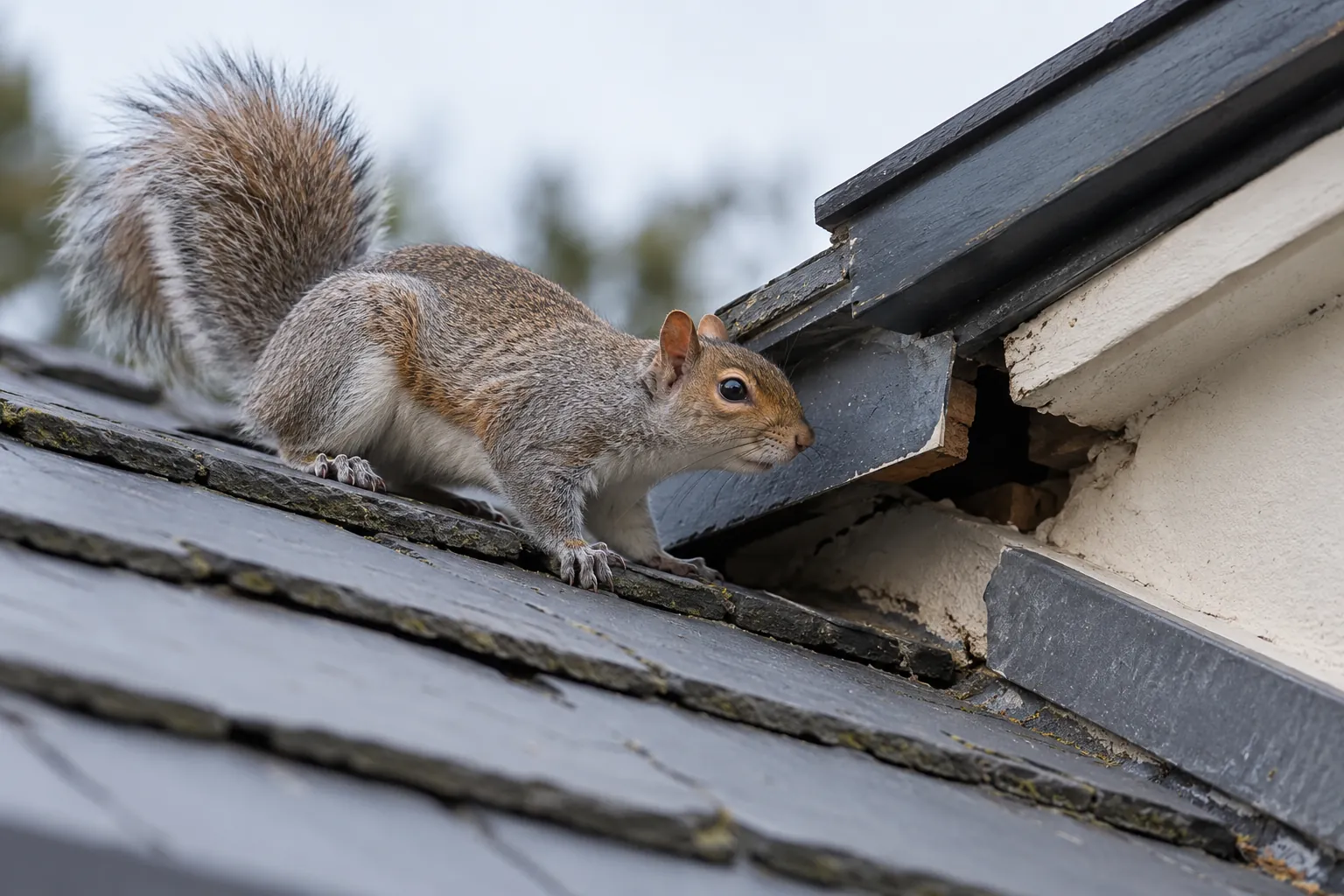
Connect internal findings to the roof exterior
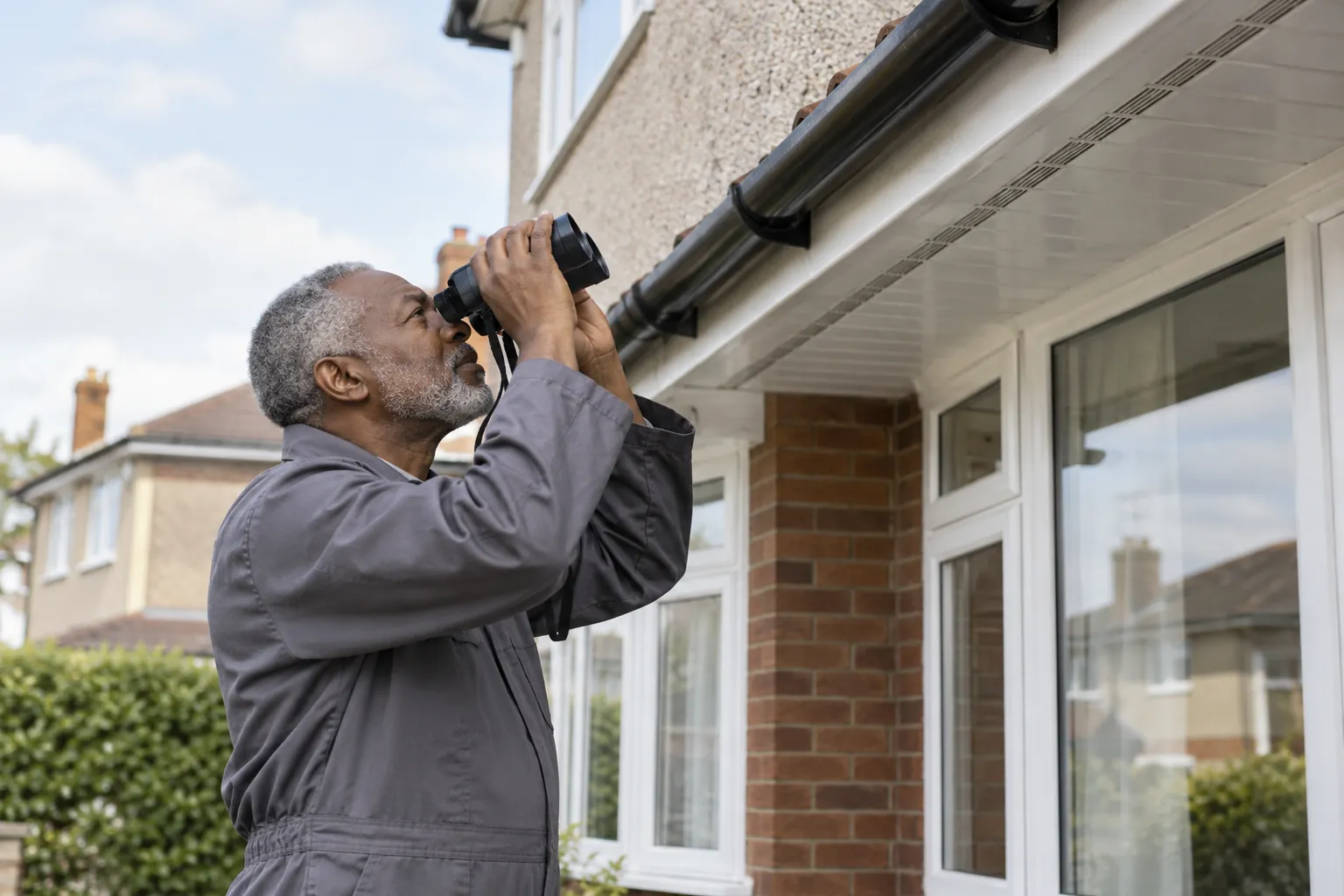
Possible entry points may involve fascia details, soffits, roof edges or a damaged junction near the gutter. The inspection needs to relate those external observations to the internal signs rather than treating every gap as an active opening. Explain which parts of the building can be seen from ground level and whether neighbouring structures or trees make observation difficult.
A roof-level assessment or repair may require separate access equipment and a suitable contractor. Roof access equipment, scaffolding and roofing repairs need to be arranged and authorised separately where required. Ask what can be checked during the booked visit and which further inspection needs authorisation. A photograph of an opening does not establish the condition behind it, so the report should keep observed damage, suspected access and recommended follow-on investigation distinct.
Assess the loft as a working space
Before entering a loft, the access and conditions need consideration. Explain whether there is a fixed ladder, safe boarding, lighting and enough clearance to inspect the relevant area. An unboarded or restricted roof space may prevent a complete internal check. A torch, inspection mirror or observation from an accessible position may help, but it cannot make a concealed or unsafe area fully assessable.
The specialist may look for animal routes, disturbance, nest locations and damaged materials where these can be examined safely. Existing wiring, loose insulation and limited headroom affect the scope of inspection. Do not move electrical components or crawl over unsupported ceiling areas to prepare for the visit. Where damage needs an electrician or building professional, the pest enquiry should identify the concern and the access limitation without implying that electrical or structural safety has been certified.
| Observation | Inspection consideration | Possible responsibility |
|---|---|---|
| Sound above an unboarded ceiling | Species and safe observation limits | Arrange safe inspection access |
| Damaged fascia visible from the ground | Whether the opening is an active route | Discuss a suitable roofing contractor |
| Possible nest or other wildlife | Welfare and species considerations | Seek appropriate specialist advice before changes |
Consider species, nesting and legal obligations
The approach depends on the animal identified, current activity, nesting circumstances and the risks at the property. Possible trapping or exclusion arrangements must be appropriate to the species and lawful in the circumstances. No particular trap, one-way device or capture method is confirmed before assessment. The specialist should explain the proposed approach and the checking, welfare and access arrangements that accompany it.
Grey squirrels are subject to restrictions that make casual capture and release inappropriate. Do not set an improvised trap with the intention of taking an animal to a park. Possible dependent young and non-target wildlife also need attention before an opening is altered. Where other protected wildlife may be present, further advice may be required. The useful outcome is an authorised plan, rather than a blanket promise to remove anything found in a loft.
Prepare the access below the loft
Preparation and access
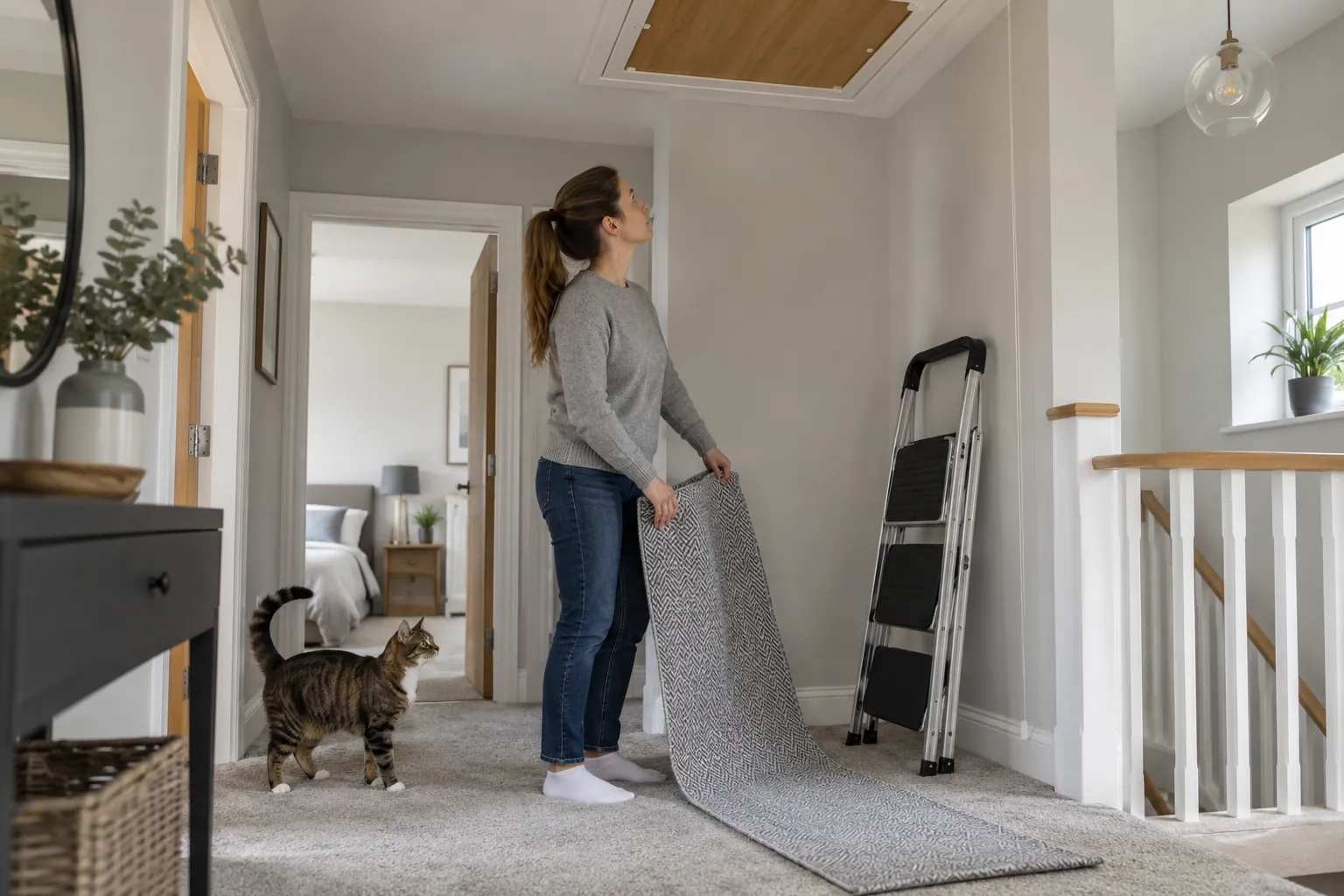
Clear the area around the loft hatch so it can be approached safely. Explain how stored belongings, furniture or a narrow staircase may affect access. Do not dismantle the hatch, climb into an unboarded space or move a suspected nest as a preparation task. Photographs from an existing safe position and a record of the sounds are more useful than disturbing the area to obtain a closer look.
Household arrangements
Keep children and pets away from the access area during inspection. Tell the specialist about previous pest products, traps or attempts to block roof gaps, including work performed by another person. If access depends on a landlord, arrange that in advance through the contact enquiry. The plan can then allow for the actual access available rather than relying on last-minute movement of heavy stored items or an unsafe ladder arrangement.
Agree the work and the responsibilities around it
Once the findings are explained, confirm what the visit will involve and what will remain outside its scope. If equipment is proposed, ask where it will be positioned, who will inspect it and what should happen if activity changes. Access to a locked loft, tenant’s room or neighbouring roof cannot simply be assumed. The person booking must arrange the necessary permissions and explain any dates when access will not be available.
Keep occupants away from restricted equipment and do not alter its position. If roofing work is already scheduled, explain this before the control plan is agreed so the two activities do not conflict. The record should identify the observed route, work carried out, remaining openings and any further inspection needed. It should also explain how the next decision will be made, particularly if activity or nesting means exclusion cannot proceed immediately.
Confirm activity before roof openings are closed
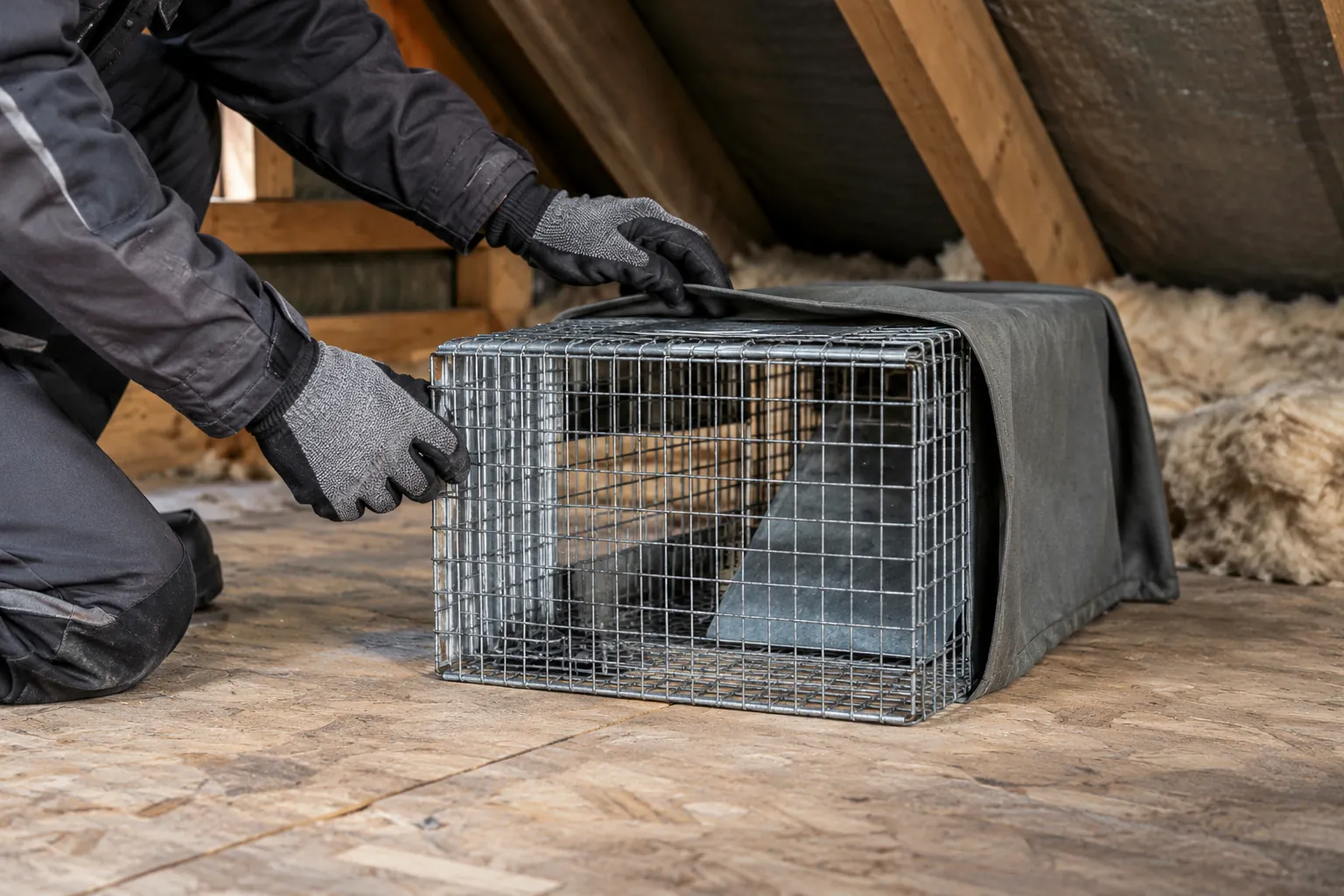
Follow the specific checking and access instructions issued for the agreed method. Record further noises and sightings with times and locations, and explain whether the pattern has moved to a different part of the roof. Do not remove equipment or close a suspected entry point because the roof has been quiet for a short period. The timing of exclusion should follow the assessment of activity and welfare considerations.
A follow-up may be needed to review equipment, reassess an opening or coordinate the next stage of repair. It does not automatically mean the original visit failed; it may be part of establishing when work can safely proceed. Agree its purpose, access and cost. The after-treatment information also explains why instructions for the actual control arrangement take priority over general assumptions about cleaning, access or removal of equipment.
| Decision | Confirm with the specialist | Avoid assuming |
|---|---|---|
| Control arrangement | Lawful method and checking responsibility | That capture permits release elsewhere |
| Closing an opening | Evidence and welfare conditions for timing | That a quiet morning proves absence |
| Repair scope | Who provides access and building repairs | That all roof work is part of the pest visit |
Price the access and control requirements separately
The animal identified, loft conditions, roof visibility, equipment arrangement and need for return checks influence the proposed work. Ask for a quotation that distinguishes the wildlife assessment, proposed control and any separately arranged access or repairs. Clarify whether the quote includes inspection, an agreed control arrangement and any reviews. Roofing work, specialist access or an electrical assessment should not be assumed to be included in a pest-control quotation.
If current activity or damage is causing urgent concern, call +44 20 3966 2383 with the postcode and a precise description. Explain what is visible from a safe position and how the loft can be accessed. Availability and the appropriate response are confirmed during the call. Do not attempt to catch the animal, disturb a nest or open damaged electrical equipment while waiting for the inspection arrangements to be discussed.
Make the repair plan specific to the building
Prevention may involve suitable repairs to confirmed roof openings, damaged fascia or related building details. Ask which defects were observed and who is qualified to repair them. A temporary patch is not the same as a completed roofing repair, and a pest visit should not imply responsibility for the condition of every part of the roof. Keep photographs and the inspection record available for the contractor responsible for the work.
The surrounding access can also be considered, but recommendations must suit the property. Neighbouring trees, shared structures and access rights may limit what the householder can change. Do not assume that removing one route outside proves there is no other opening. The Southall services overview remains useful if a later inspection identifies a different pest or if separate evidence is found in living areas rather than the roof.
Questions about this service
Squirrel Control — questions
Can roof noise be identified as squirrels over the phone?
The sound pattern can help guide an enquiry but does not provide a reliable identification by itself. Explain when it happens and any safe sightings; the accessible evidence still needs assessment.
Should I block the soffit gap while the squirrel is outside?
Do not assume this is appropriate. Nesting circumstances, other openings and possible animals remaining inside need consideration. Exclusion timing should follow the assessment rather than a single sighting outside.
Can a captured grey squirrel be released in another area?
Do not make that assumption or arrange an improvised relocation. Grey squirrels are subject to legal restrictions, and any proposed control arrangement needs appropriate species, welfare and legal consideration.
Does the inspection include walking across my loft?
Only areas that can be accessed safely can be assessed. Explain boarding and access conditions before booking. An unboarded ceiling void may require a different arrangement or limit what can be confirmed.
Will you replace damaged roof materials?
Roofing work is not automatically included. Ask which defects have been observed and whether a suitable contractor is needed for access or repair. Keep that scope separate from the pest-control arrangement.
Why might another check be needed before proofing?
The specialist may need to review activity, equipment or nesting circumstances before an opening is closed. Ask what evidence the further check is intended to establish and how access will be arranged.
Discuss the findings.
Agree the next step.
Call with the affected rooms, your Southall postcode and the signs you have noticed.